Dark Art of Caravaggio
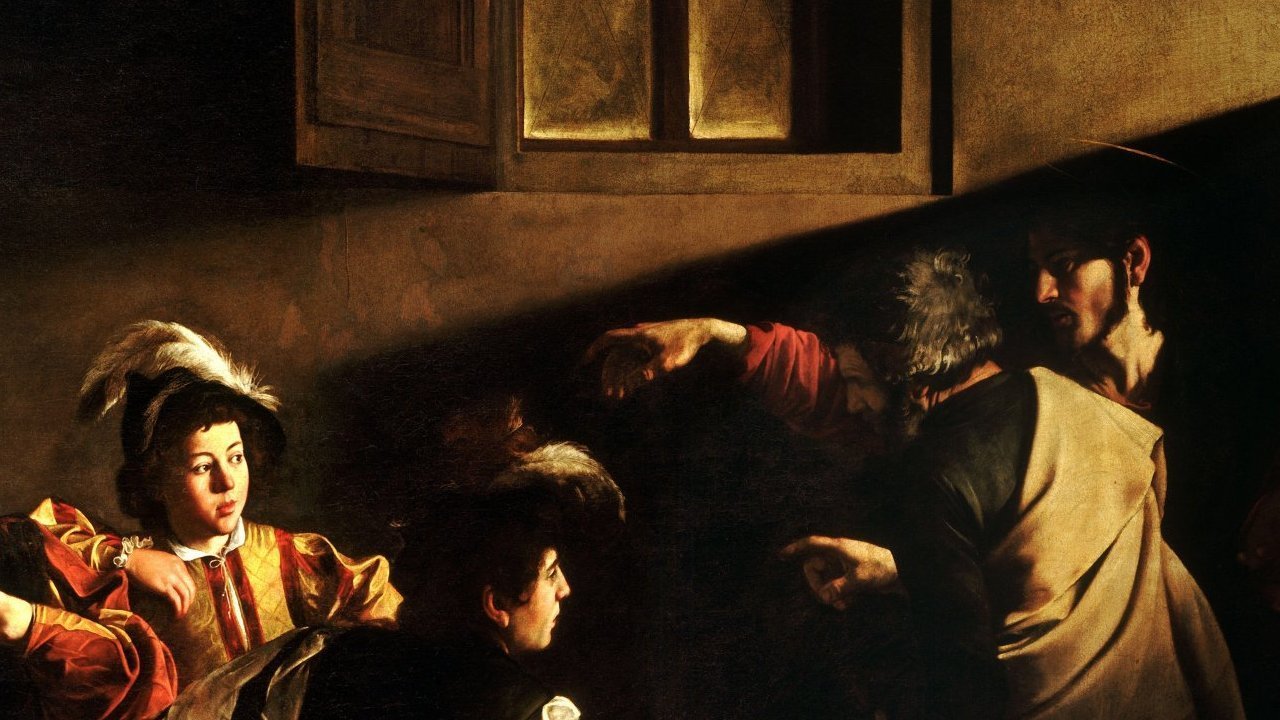
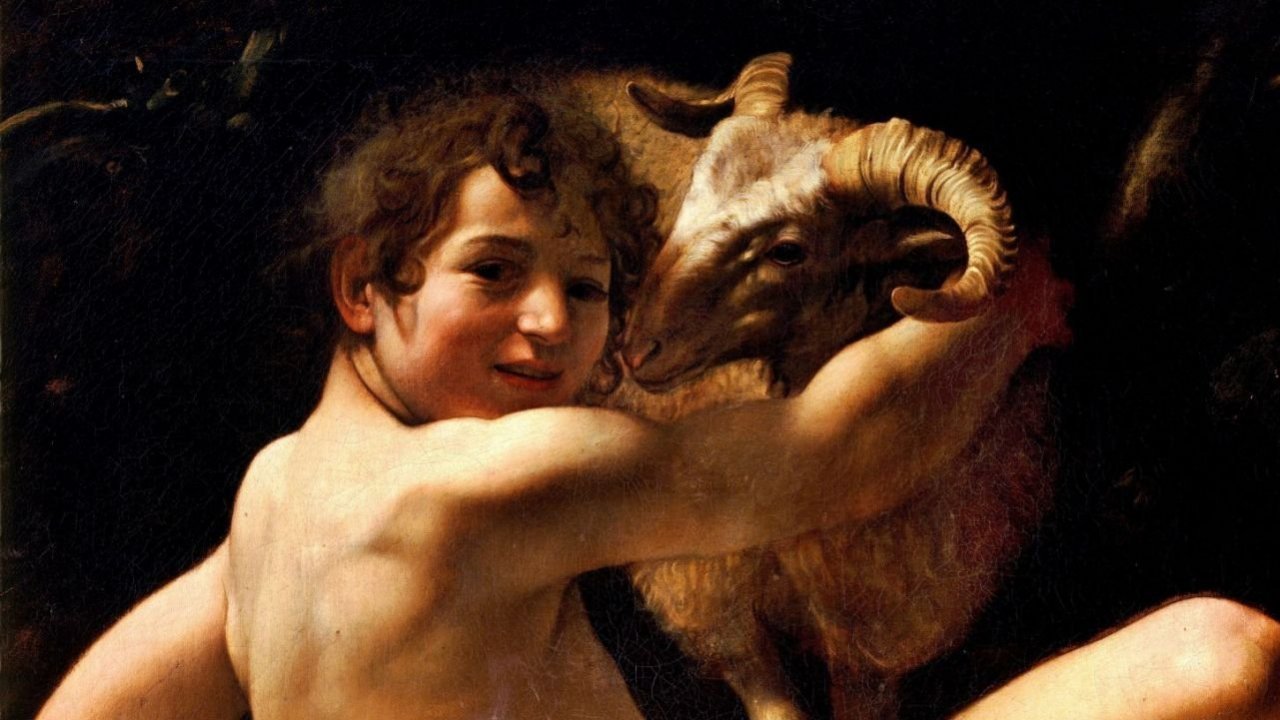
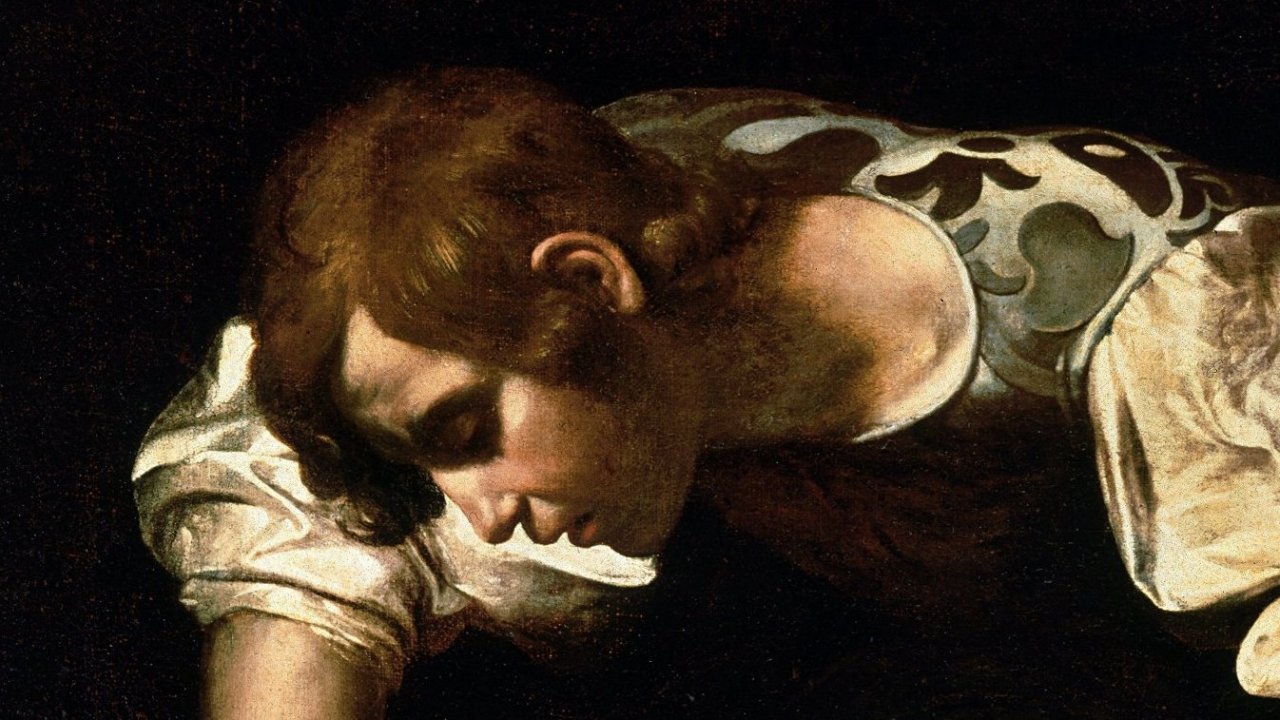
Five magnificent museums and galleries are visited, after extra time spent inside four fascinating churches that reveal the intricacies of Roman Baroque. You will traverse the historical centre and see Caravaggio's delightful creations in no less than nine locations!
Fully private tour that explores the life and times of wayward genius (Michelangelo Merisi da) Caravaggio. Did the rays of light that illuminated his darkest works cast a fair reflection on his immoderate lifestyle? We see his most important paintings in Rome, the places he lived and where it is believed he killed.
You will enter churches, chapels and galleries to behold Caravaggio's creations. These are special places that reveal a myriad of secret signs from the age of Roman Baroque. Only an expert art historian can point them out to you. In between the paintings, adjoining side streets that were Caravaggio's Rome help us get close to how his life might have been.
From stock painter for Roman Mannerist Giuseppe Cesari (Cavaliere d'Arpino) at the turn of the 17th century, to his unusual death at 38 in 1610, we can only try to imagine the wild ways and escapades of Caravaggio, Rome's original rebel. The iconoclastic, imperious Old Master.
He portrayed people in everyday situations with "dramatic chiaroscuro", where a shaft of divine light illuminates the subject from an unclear origin to leave the rest of a scene in shade, setting his work apart from his peers.
Caravaggio was a hellraiser, he dressed in black with a black dog by his side and prowled the streets around Piazza Navona. His lifelike depictions of prostitutes, gamblers, and the dark side of street life provoked outrage, and he was forgotten in death until the turn of the 19th century.
In life, Caravaggio was the most famous painter in Rome of his time. Prolific, too, in light of the fact that he was handed many commissions. Powerful Cardinal Scipione Borghese, patron of Bernini, became an avid collector.
Held in the highest regard by main benefactor Cardinal Francesco Maria Bourbon del Monte Santa Maria, whose residence was Palazzo Madama (seat of the Senate of the Italian Republic today), Caravaggio lived in the area around Piazza San Luigi dei Francesi until he moved into the palace to paint.
We explore the places where Caravaggio left his mark, to better understand his use of naturalistic Tenebrism and how it transformed Roman Baroque.
Caravaggio was an influence on Rembrandt and Rubens, the former practising a theatrical form of "chiaroscuro".
We conclude with a walk through Villa Borghese to the Borghese Gallery, for a grand finale in front of the Caravaggio collection with your Baroque historian guide.
"In painting not equal to a painter, but to nature itself." (Marzio Milesi, August 15th, 1610)
Details and schedule will be sent to you in a direct confirmation e-mail from us shortly after you have received your booking confirmation e-mail. Flexible start time, 10am recommended. Let us know your prefered start time post-booking.
Wear comfortable shoes and bring a fully charged powerbank for your device. What you wear must cover your shoulders and knees.
Baroque historian guide
First entrance Capitoline Museums
First entrance Doria Pamphilj Gallery
First entrance Corsini Gallery
First entrance Palazzo Barberini
First entrance Borghese Gallery
All cancellation requests must be received by e-mail (send to info@eternaltoursrome.com). If you cancel more than thirty (30) days before travel date, you will be entitled to a full refund. If you cancel less than thirty (30) days before travel date, you will not be entitled to any refund.
Eternal Tours Rome may not be held responsible for Acts of God nor service alterations caused by unforeseen or unannounced closure of all or part of venues. In the event of such closings, no partial refunds apply.